
장바구니에 상품이 없습니다.
미분류
The Underwater “Spacewalk”: What Guillaume Néry’s Freediving Teaches Every Diver — and How to Begin in Korea
15
6월
6월
Freediving · Inspiration
The Underwater
Spacewalk
On a single breath, freediver Guillaume Néry seems to walk weightless along the seabed — no tank, no sound, no up or down. Here is what his “Ocean Gravity” teaches every diver about calm, control, and the pull of the deep — and how to begin in Korea.
Begin Your Journey Live Chat
An Image You Won’t Forget
A Man Walking
On The Ocean
Floor
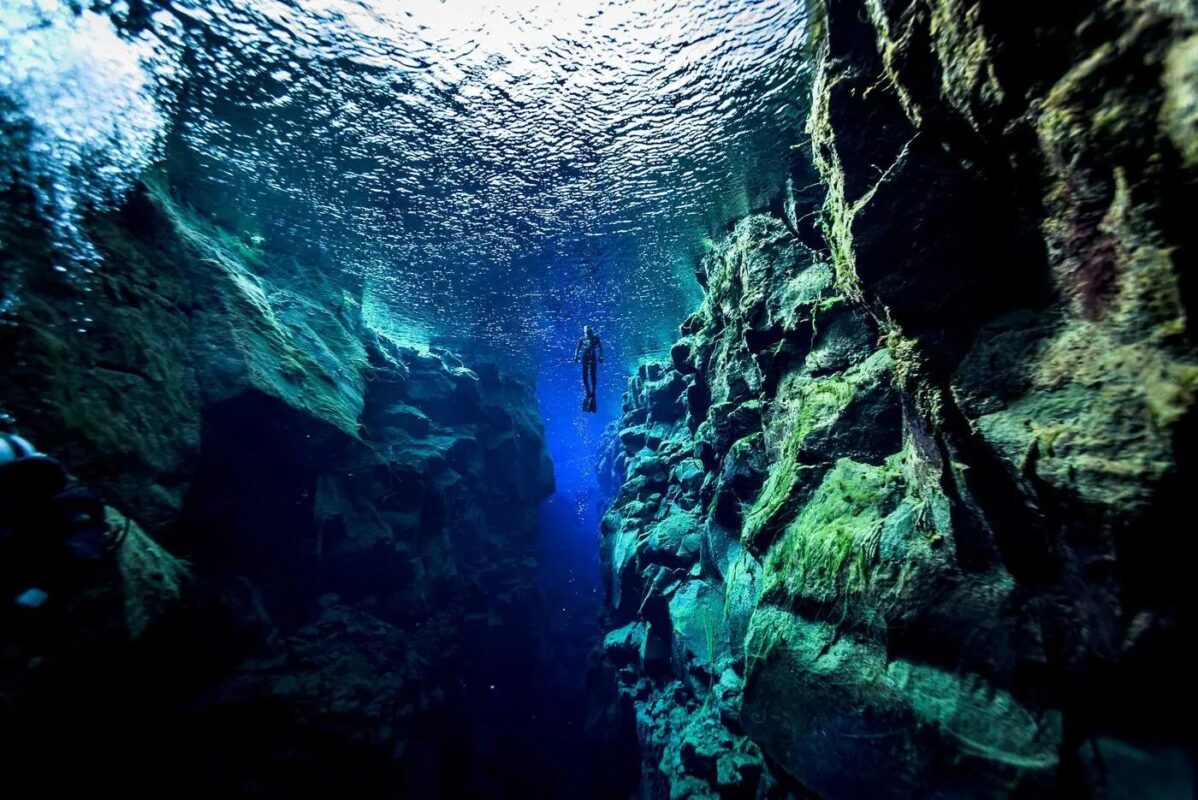
There is a short film that stops people mid-scroll. A diver drifts down into deep blue water, lands softly on the seabed, and begins to walk — arms loose, body weightless, carried sideways by an invisible current as if gravity had been switched off. No bubbles. No tank. No sound. Just one human being, one breath, and the open ocean.
The film is called “Ocean Gravity,” created by French freediver Guillaume Néry and filmmaker Julie Gautier. It was shot entirely on breath-hold in the Tiputa Pass in Rangiroa, French Polynesia, where a powerful tidal current sweeps through a channel in the reef. No wires, no effects — Néry simply let the moving water carry him while Gautier filmed, also freediving, beside him. The result looks less like diving and more like an astronaut on a spacewalk.
“In the ocean there is no up, no down, no right side up. Man becomes a satellite, and the bottom of the sea turns into an unknown planet.”
It is beautiful. But for us, the most interesting part is not the artistry. It is the state of mind that makes such a dive possible — and the fact that the calm, weightless freedom in that film is closer to your reach than you think.
— Watch It Yourself —
“Ocean Gravity” by Guillaume Néry & Julie Gautier — filmed entirely on breath-hold in the Tiputa Pass, Rangiroa.
The Problem
We Mistake It
For A Superpower
Watch that film and it is easy to decide it has nothing to do with you. “He must have been born with huge lungs.” “That takes ten years of training.” “My body could never do that.” So the wonder turns into distance, and another person quietly files the ocean under not for me.
Here is the truth that gets lost. What you are watching is not raw athleticism. It is relaxation under pressure — the ability to stay completely calm while the body wants to panic. Lung size matters far less than people assume. What separates a comfortable diver from an anxious one is breathing, mindset, and technique. And every one of those can be taught.
Néry himself is open about this. He was not an exceptional child athlete. He learned, step by step, with instructors, in a structured progression — the same way a nervous beginner learns to put their face in the water and breathe slowly for the first time. The gap between you and that weightless drift is not talent. It is guidance.
How It’s Learned
Calm Is A Skill.
And Skills Are
Taught.
At NB Divers our philosophy is simple: “Learn Right, Enjoy Forever.” The reason that film looks effortless is that Néry mastered fundamentals so deeply they became invisible. You build the same foundations — on a far gentler scale — from your very first session.
Whether you start with breath-hold freediving or with scuba, the early lessons are the same human skills you saw in “Ocean Gravity”:
Breathe Slow, Stay Calm
Long, relaxed breathing lowers your heart rate and quiets the urge to rush. It is the first thing a good instructor teaches — and the single biggest difference between struggling and gliding.
Move Like You Weigh Nothing
Good divers learn buoyancy and trim until they hover motionless, fins still, body flat. That hovering, neither sinking nor floating, is exactly the “weightless” look that makes Néry’s dive feel like space.
Equalize And Trust The Plan
Going down means managing the pressure in your ears and sinuses, gently and early. Done correctly, depth stops being scary and becomes simply quiet. Done with a trained guide beside you, it is also safe — and safety is never optional.
None of this requires huge lungs or years in the gym. It requires a clear progression, a patient instructor, and the willingness to take a first breath and begin.
90sBreath-hold goal on a beginner PADI Freediver course (static apnea)
10–16mDepth range for an entry-level PADI Freediver certification
1Breath — that is all freediving asks you to befriend, calmly
The Experience · Korea
Korea Already
Knows This Feeling
You do not have to fly to French Polynesia to chase that weightless drift. Korea has one of the world’s most extraordinary breath-hold traditions sitting on its own coastline. On Jeju Island, the haenyeo — “women of the sea” — have freedived for generations, descending to around 18–20 metres and holding their breath for minutes at a time to harvest abalone and sea urchin, many of them well into their seventies and eighties. Their culture was added to UNESCO’s Intangible Cultural Heritage list in 2016. The same ocean Néry made look like space, Korea’s grandmothers have treated as a workplace for a lifetime.

For divers learning in Korea, the path is practical. Deep indoor pools around Seoul let you practise breathing, equalization and weightless hovering in warm, controlled water all year — the perfect place to build the calm those films are made of. When you are ready for the open sea, the cool, clear waters of the East Sea and the boat sites around Jeju reward a diver who moves slowly and breathes well. Cold-water conditions demand exactly the relaxed control we teach from day one.
If “Ocean Gravity” lit something in you, the honest next step is not to copy a champion — it is to begin learning to dive properly, with a structured course and a guide who cares more about your fundamentals than your photos. From there you can explore Korea’s own dive sites and, when the foundations are solid, go deeper and further with confidence.
Why It Matters
The Goal Is Not
The Depth. It’s
The Stillness.
People assume freediving and diving are about going deep or staying down long. The numbers are real, but they are a by-product. The actual gift is the stillness — the rare, modern silence of being underwater with a quiet mind. That is what Néry is really showing us: not how far a body can fall, but how peaceful a person can become when fear is replaced by skill.
At NB Divers, diving is our culture, not just our service. We are not for everyone — only for the person who wants to learn it properly, once, and carry it for life. If that is you, the ocean is closer than you think.
Find Your Weightless
Speak with a PADI professional at NB Divers and take the first calm breath of your underwater journey — right here in Korea.
Questions & Answers
Frequently Asked
Questions
Was “Ocean Gravity” filmed with special effects?
No. “Ocean Gravity” by Guillaume Néry and Julie Gautier was filmed entirely on breath-hold, with no wires or visual effects. The “walking” and weightless drift come from a real tidal current in the Tiputa Pass in Rangiroa, French Polynesia, carrying Néry along the seabed while Gautier filmed, also freediving.
Do you need huge lungs to freedive?
Less than people think. Lung capacity plays a small role, but the biggest factor in comfortable freediving is relaxation, efficient breathing, and technique — all of which are taught. Most beginners are surprised how quickly calm breathing and good guidance extend their comfort underwater.
What is the difference between freediving and scuba diving?
Freediving is done on a single breath with no breathing apparatus, while scuba diving uses a tank so you can stay underwater far longer. Both share the same core skills — calm breathing, buoyancy control, and equalization — which is why the weightless feeling in films like “Ocean Gravity” is something scuba divers experience too.
What can a beginner freediver realistically achieve?
On an entry-level PADI Freediver course, typical goals are a static breath-hold of around 90 seconds and a constant-weight dive of roughly 10–16 metres. These are reached gradually, with safety supervision, and are very achievable for ordinary people who learn step by step.
Is Korea a good place to learn to dive?
Yes. Korea offers deep indoor training pools around Seoul for year-round practice, the clear cool waters of the East Sea, and boat diving around Jeju Island — home to the famous haenyeo freedivers. The cooler conditions actually build excellent, disciplined divers. Learning to dive in Korea with a structured course is a strong, accessible start.
Who are the haenyeo of Jeju Island?
The haenyeo, or “women of the sea,” are Korea’s traditional female freedivers on Jeju Island. Without any breathing equipment they dive to around 18–20 metres to harvest seafood, holding their breath for minutes at a time — many still diving in their seventies and eighties. Their culture was inscribed on UNESCO’s Intangible Cultural Heritage list in 2016.
Can expats and visitors learn to dive in Korea in English?
Yes. NB Divers welcomes expats living in Korea and travellers visiting, and our PADI courses follow international standards. If you would like to begin your underwater journey in Korea, you can start here or reach us on live chat to plan the right first step.
Is freediving or scuba diving dangerous?
Both are very safe when learned properly and practised within training. The risks come from skipping fundamentals or pushing limits alone. That is why NB Divers never trains by guesswork — we teach calm breathing, controlled progression, and the rule that you always dive with a trained buddy or guide.
How do I get that “weightless” feeling for myself?
It comes from buoyancy control — learning to hover motionless, neither sinking nor rising. It is one of the first skills a good instructor builds with you, and the moment it clicks, diving stops feeling like effort and starts feeling like floating. You can begin building it in a pool near Seoul on your first course.
What does a course at NB Divers cost?
It depends on the course and pace that suits you. We focus on doing it right rather than fastest, so you carry the skill for life. You can see current options on our pricing page or message us on live chat and we will recommend the best starting point for your goals in Korea.
← PreviousHokkaido Drift-Ice Diving: How to Dive Beneath the Sea IceNext →Dive Travel for Introverts: Enjoy the Ocean Your Own Way
